When Should You Change Your Business Accountant?
You should consider changing your business accountant if you experience ongoing communication problems, receive insufficient accounting support, face unexpected tax obligations or find that your business has outgrown its existing accounting arrangements.
A good business accountant should do more than prepare your annual tax return. An experienced accountant can help you manage taxation obligations, identify financial risks and make informed business decisions.
As your business grows, your accounting requirements may also evolve. Here are six signs that it may be time to review your current accounting arrangements.
1. Communication Has Become Difficult
Effective communication is fundamental to a successful accounting relationship.
If you regularly wait weeks for responses, struggle to obtain clear explanations or find it difficult to discuss important financial matters, it may be time to reconsider your arrangements.
Your accountant should be reasonably accessible, communicate clearly and help you understand the financial and taxation issues affecting your business.
While response times naturally vary during busy periods, persistent communication problems can create unnecessary uncertainty and expose your business to avoidable compliance risks.
2. You Only Hear from Your Accountant at Tax Time
Preparing financial statements and lodging tax returns are important services, but many businesses require accounting support throughout the financial year.
Depending on your circumstances, this may include:
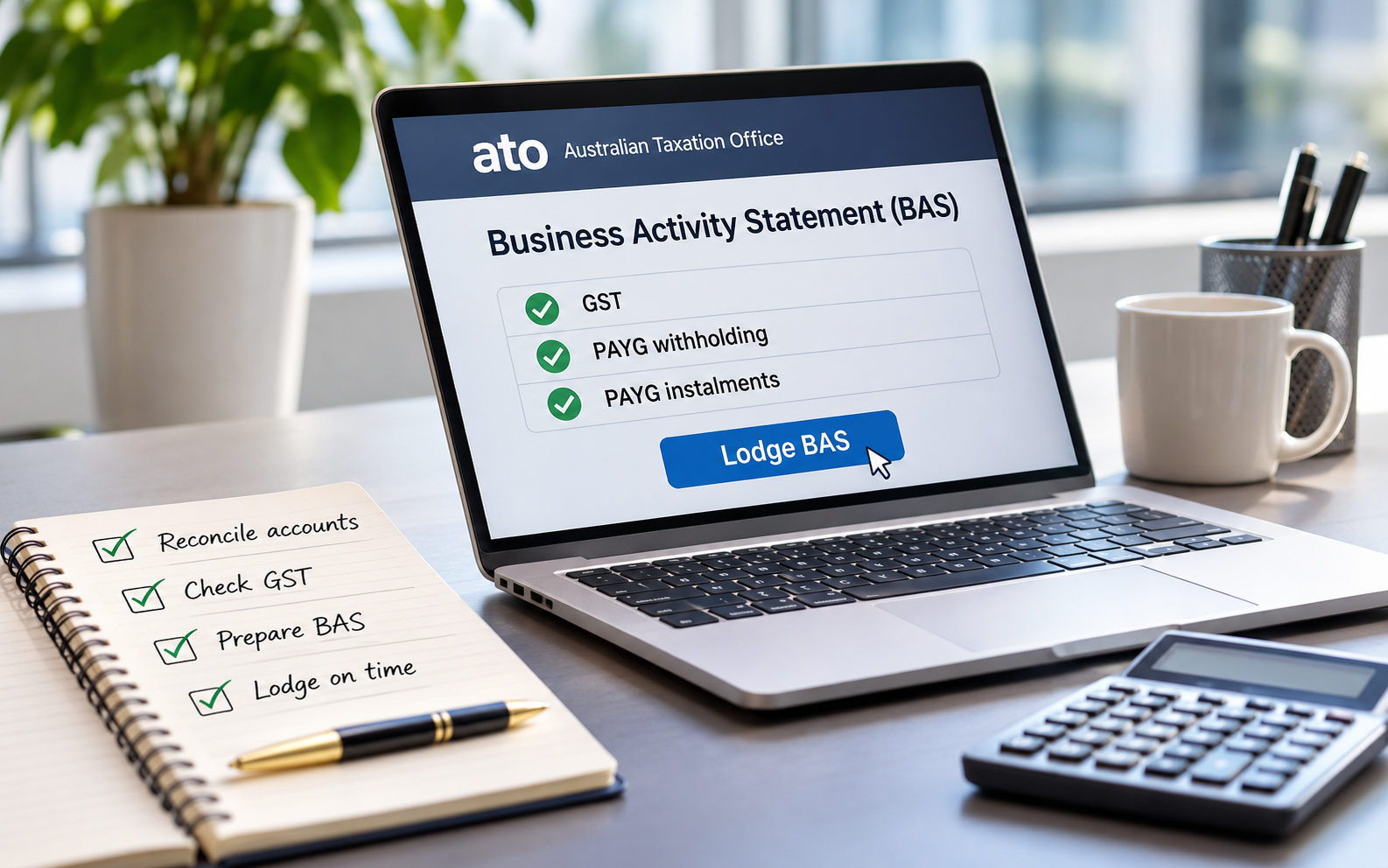
- Business Activity Statements (BAS) and GST compliance.
- PAYG withholding and payroll obligations.
- Employee superannuation compliance.
- Tax planning and cash flow management.
- Business structure and financial reporting advice.
If your accountant only contacts you when a tax return is due, consider whether your existing engagement provides the ongoing support your business requires.
3. Your Business Has Outgrown Its Existing Accounting Arrangements
The accounting requirements of a sole trader can be significantly different from those of an established company employing staff.
As your business expands, you may encounter more complex obligations involving payroll, GST, company taxation, financing and business structures.
An accountant who was suitable when you first started may not necessarily provide the range of services you now require.
For example, a business that has grown from a sole trader operation into a company employing several staff members may require more structured financial reporting, payroll compliance and regular taxation planning.
Reviewing your accounting arrangements as your business grows can help ensure your professional support remains appropriate.
4. You're Frequently Surprised by Tax Liabilities
Business owners should have a reasonable understanding of their upcoming taxation and compliance obligations.
If you are regularly surprised by significant tax bills, uncertain about upcoming payments or unclear about the information your accountant requires, there may be an opportunity to improve financial planning and communication.
A proactive accounting relationship may help you anticipate obligations such as:
- GST and BAS payments.
- PAYG income tax instalments.
- Company income tax liabilities.
- Employee superannuation payments.
Although not every tax liability can be predicted precisely, timely financial information and appropriate accounting advice can help businesses prepare for significant payments and manage cash flow more effectively.
5. Your Accounting Fees Are Unclear
Professional accounting services should provide value, and business owners should understand what they are paying for.
A higher accounting fee does not necessarily represent poor value, just as a lower fee does not always produce a better outcome.
When comparing accounting services, consider:
- The scope of services included.
- The experience and qualifications of your accountant.
- The availability of ongoing professional support.
- The complexity of your business requirements.
- How additional services and fees are communicated.
If you regularly receive unexpected invoices or are uncertain about what your accounting fees cover, discuss your expectations before deciding whether to change accountants.
6. You Need More Personalised Accounting Support
Some business owners prefer to work directly with an experienced accountant who understands their operations, financial circumstances and long-term objectives.
Others may prefer a larger team-based service model.
Neither approach is necessarily right or wrong, but the arrangement should suit your business.
If you repeatedly find yourself explaining your circumstances to different people or struggling to obtain consistent advice, you may benefit from a more personalised accounting relationship.
What Should You Look for in a New Business Accountant?
Choosing a new accountant should involve more than comparing professional fees.
Consider whether your prospective accountant offers:
- Relevant professional qualifications and experience.
- Appropriate Tax Practitioners Board registration for the tax agent services you require.
- Experience working with small and medium-sized businesses.
- Clear communication and transparent engagement arrangements.
- Services appropriate to your current and future business needs.
- A practical understanding of accounting systems such as Xero.
The objective is to establish a professional relationship that supports your business over the long term.
Is Changing Accountants Difficult?
Changing business accountants is generally more straightforward than many business owners expect.
A well-managed transition will typically involve:
- Discussing your business circumstances and accounting requirements with your new accountant.
- Agreeing on the scope of services and professional fees.
- Arranging the transfer of relevant accounting records and previous taxation information.
- Completing the necessary ATO authorisations, including client-to-agent linking where applicable.
- Reviewing outstanding lodgments, taxation obligations and compliance matters.
Your new accountant can guide you through the process and help minimise disruption to your business.
Frequently Asked Questions
Can I change accountants during the financial year?
Yes. You do not need to wait until the end of the financial year to change accountants. However, upcoming lodgment deadlines, outstanding work and existing engagement arrangements should be considered before making the transition.
Do I need to contact my previous accountant?
You should generally notify your existing accountant that you intend to change accounting firms. With your authorisation, your new accountant may also communicate with your previous accountant to facilitate the transfer of relevant records.
Can I change accountants if I have outstanding tax returns or ATO debts?
Yes. Outstanding tax returns, BAS lodgments or ATO debts do not generally prevent you from changing accountants. Your new accountant can review your circumstances and discuss the appropriate steps to address outstanding obligations.
Should I change accountants simply because another accountant is cheaper?
Not necessarily. Professional fees are only one consideration. Experience, service quality, communication, technical expertise and the level of ongoing support should also influence your decision.
Looking for a New Business Accountant in Sydney?
At SME Accounting Solutions, we believe that an effective accounting relationship should be built on professional expertise, clear communication and an understanding of your business.
Established in 2005, our Sydney-based accounting practice provides personalised accounting, taxation, BAS and business advisory services to small and medium-sized businesses across Australia.
We offer the opportunity to work directly with an experienced CPA and Registered Tax Agent who takes the time to understand your business and its accounting requirements.
Whether your business has outgrown its existing accounting arrangements, requires additional taxation support or is simply looking for a more personalised professional relationship, we can help you assess your options.
Considering changing your business accountant?
Contact SME Accounting Solutions to discuss your business accounting requirements and how we can assist with your transition.
This article provides general information only and does not constitute professional advice specific to your circumstances.